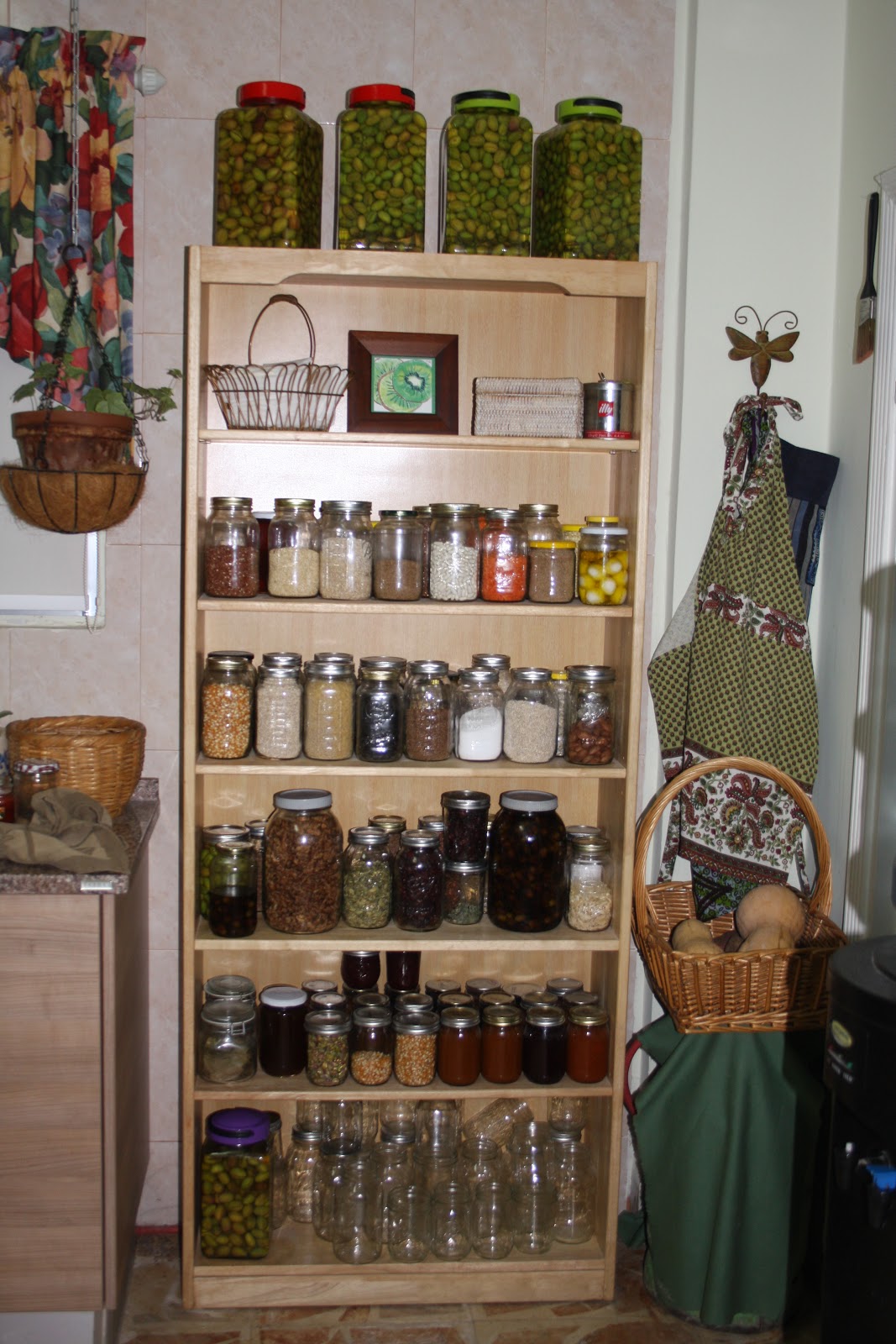
Before moving to the Middle East twenty three years ago, I don't recall eating much olive oil (any?) and I certainly never cooked or baked with it. That was back in the day of Wesson Corn Oil and affordable, readily available olive oil hadn't yet hit the mass market in the U.S., at least not in Idaho.
When we moved to Jordan in 1988, I began to learn the many uses for olive oil. Newly settled in our first apartment, I came home one day by myself and was unable to get my key to work in the big metal door on the outside of our building. Observing my struggle, a neighbor man told me to wait minute; he came back with a small jar of olive oil, some of which he took in his mouth, and then proceeded to put it in the lock. The lock yielded to my key with ease. And though this treatment was never administered to my children, infants were traditional rubbed with olive oil shortly after birth to "strengthen" them.

We've enjoyed olive oil as long as we've lived in Jordan but now that I've begun baking with it--it is the only cooking fat I use besides butter--we are enjoying it a lot, as in 20 liters (about five gallons) and counting, so far this year. Husband purchases our olive oil as many Jordanians do, by the "taniki" or tank.
Our comes from the olive groves of Mafraq, and now that we've moved to Mafraq we walk in the mornings through the same groves which produce our oil. (These groves are on the property which belongs to the hospital where Dear Husband works and are not open to the public, making them the perfect place for walking in the early morning. There is a paved road around the perimeter.)

Mid-October usually marks the beginning of harvest season. These olives look ready. We've a few olive trees in our new yard so perhaps we'll harvest those for pressing--they're looking rather puny after a summer of neglect, but every little bit helps.

Recipes which use olive oil abound and lately I've been looking for/trying recipes for cakes which call for olive oil. Below are three which I've found to produce delicious cakes:
Walnut Olive Oil CakeThis is a very simple, rustic cake but oh, so smooth and almost creamy in texture. My whole family loves this one.The recipe comes from the New York Times, 2011, but I can't find the original link. I've only slightly adapted it.2 cups flour
1 1/2 cups sugar
1 Tablespoon baking powder
1 teaspoon allspice
2 teaspoons cinnamon
1/4 teaspoon salt
1 cup ground walnuts (I grind mine in the blender)
3 eggs
1 cup milk
1 teaspoon rice or cider vinegar
1 cup extra-virgin olive oil
Preheat oven to 350 degrees F. In a large mixing bowl (I use my Bosch), whisk together the flour, sugar, baking powder, allspice, cinnamon, and ground walnuts. Add eggs, one at a time, then milk, vinegar, and olive oil. Beat just until thoroughly mixed. Pour batter into a greased 9 inch by 13 inch baking pan. Bake 30-45 minutes until golden and a toothpick comes out clean. Cool slightly before serving.
Orange Cardamom CakeThis recipe comes from Cooking Light, December 2007. I've adapted it by substituting olive oil for canola oil and I've increased the grated orange rind.
3 cups plus 1 Tablespoon flour
1 1/2 cups sugar
2 teaspoons baking powder
1 3/4 teaspoons ground cardamom
1/2 teaspoons ground cinnamon
1/2 teaspoon salt
3/4 cup fresh orange juice
2/3 cup olive oil
2-3 Tablespoons grated orange rind (about 1 orange)
2 teaspoons grated lemon rind
1 teaspoon vanilla
3 large eggs
Glaze:1 cup powdered sugar
3 teaspoons fresh orange juice
1/2 teaspoon fresh lemon juice
Preheat oven to 350 F. Grease a Bundt pan with cooking spray and dust with 1 tablespoon flour.
In a large mixing bowl combine flour, sugar, baking powder, cardamom, cinnamon, and salt. If you are mixing by hand, make a small well in the center of flour mixture and add the orange juice, olive oil, orange rind, lemon rind, vanilla, and eggs. I used my Bosch and so just added the wet ingredients to the dry and mixed until well combined, scraping down the sides as necessary.
Pour batter into the prepared pan and bake for about 50 minutes or until a wooden pick inserted in the center comes out clean. Cool in pan for about 5 minutes and then remove the cake from the pan.
Drizzle glaze over the warm cake.
Marmalade CakeI knew that any cake with an entire orange, an entire lemon (minus pulp and seeds), and ground toasted almonds had to be delicious. It was. This recipe comes from Orangette. Go there for pictures and the original recipe.
1 small to medium orange
1 lemon
6 ounces almonds
1 cup flour
1 Tablespoon baking powder
4 large eggs at room temperature
1/2 teaspoon salt
1 1/2 cups sugar
2/3 cup olive oil
powdered sugar
Prepping the ingredients:Place the orange and lemon in a saucepan, cover with water, and bring to a boil. Reduce heat and simmer for 30 minutes. Drain citrus, and cool.
While the citrus is simmering, you can toast the almonds. Place almonds on an ungreased baking sheet in a 325 F oven and toast about 10-15 minutes. Watch carefully so as not to burn them, but don't remove them too soon. Almonds should begin turning golden brown (not dark!) and smell toasted. Cool toasted almonds and then grind them in a food processor.
Preheat oven to 350 F, and grease a 9 inch round springform pan.
Cut the orange in half or quarters and remove seeds. Cut the lemon in half and scoop out all the pulp along with the seeds. Place citrus in the food processor and process until very finely chopped.
Combine flour and baking powder in a small bowl. Combine eggs and salt in a larger mixing bowl and beat until foamy. Gradually beat in the sugar and then fold in the flour mixture. Next, add the citrus, almonds, and olive oil, and beat on low speed just until blended thoroughly. Do not over mix. Pour the batter into the prepared springform pan and bake for about 1 hour or until a wooden pick comes out clean. Cool the cake in its pan on a cooling rack. When cake is cool, remove the sides of the pan. Dust with powdered sugar before serving.
This cake keeps well for a few days; like a good soup, the flavors improve after sitting a day or two. Unlike soup, the cake should be stored at room temperature, covered with plastic wrap.